James A. Reeves

Notebook

Information

Information

After my mother died, my father spent his days wandering through discount department stores, fixated on tracking down the correct size, exact model, or shade of color for something he thought he needed, usually a household item for the little apartment he rented after selling the house. Non-slip adhesives for the bathtub shaped like starfish. Mechanical pencils. A childlike table for his car keys that required hours spent cursing over a tiny wrench. He carried a small notepad in the back pocket of his khakis, diligently making lists with items like living room lampshade needs repair and oil bathroom door hinges and eggs are good for protein.

My father died four years ago today. Lately I’ve been thinking about his quiet notepads. They feel like a balm against these days when everything seems to be happening at once. Institutional decay. Angry weather. Homegrown terror. The energies of war. I click and scroll even though I know it’s trashing my mind, all of this information commingling with fury and performance. Our screens have mangled the decent impulse to bear witness.

I try to see the world through my father’s eyes, his sense that everything looked like science fiction: people dressed like children and swerving into one another while staring at little handheld pieces of glass. He didn’t understand how the world had become so interlinked, how all of its information could live on a screen. It felt like an optical illusion, a cheap bit of sleight-of-hand. Information was supposed to be earned through experience, through a combination of tough luck and scribbling into your notepad. Information required effort and my father craved the human contact required to get it. The sales clerks would check their stock and make calls to other locations for a linen drum lampshade or a pair of loafers with tassels. He’d eventually find the item but he would not purchase it, deciding he didn’t need it after all.


Datacide – Flashback Signal

from Flowerhead | Asphodel/Rather Interesting, 1995 | More info

A nearly perfect ambient album, Flowerhead has been a reliable sleepy-time companion since its release twenty-something years ago. Atom Heart and Tetsuo Inoue’s collaboration merges the organic with the electric, yielding a blurry soundtrack for nostalgia. The whole album just sounds right, as if you’d heard it before, back when you were four or five.

Silence
Sunset in the Finnish forest

Silence

Alone on an island and the silence is like walking into a wall. These short winter days feel like a permanent sunset, the way the sun rolls along the horizon for a few hours before returning beneath the earth, as if it’s too exhausted to go any higher. I sympathize. Today I came across the phrase “algo-seance scene” and realized I’m losing track of not only the future but the present.

We took a bus to the neighboring island to buy some coffee and eggs and salmiakki. Then we sat in a gas station diner waiting for the last bus back to our flat by the sea. An ancient couple with yellow-white hair slurped coffee and murmured to one another while reading the local newspaper, their voices stained with decades of cigarette smoke. Sometimes it’s nice to find a place where time stands still.

Bookends
The island of Korpo

Bookends

When we landed in Helsinki in January 2009, Candy and I watched the inauguration of Obama from our hotel room at one o’clock in the morning. Then came a bizarre decade spent roaming between New York, New Orleans, Philadelphia, and New York again. Ten years later, we returned to Helsinki before heading to a remote island in the Finnish archipelago. Flipping on the television in our hotel on December 18, 2019, we caught the final vote tally as the House impeached Donald Trump.

I try to imagine my reaction if someone had described the decade to come while we watched Obama wave from his motorcade. That a vicious game show host would become president, that propaganda and Nazis would return, and objective truth would disappear. Or that Britain would leave the European Union and seemingly pointless technologies like Facebook and Twitter would rip society apart. I did not see any of these things around the corner, just as I could never have imagined I would lose my parents or grapple with so much dark psychological terrain in the years to come.

Looking back on the optimism I felt a decade ago, it’s impossible for me to determine whether my sense of the world today is naturally rooted in growing older and reckoning with the upheavals and disappointments of life—or if my mood truly reflects the seemingly perilous state of society, technology, and the weather. Regardless of the causes, my project this year is to recover some degree of optimism and perhaps even something resembling faith.

Ash

Ash

Wandering through Turku’s streets and museums, I cannot stop marveling at the low-hanging sun: an endless magic hour that casts everything in Caravaggio light. After savoring the concrete, neon, and hum of the city, we took a bus and two ferries into the Finnish archipelago where we are living in a flat by the Baltic sea. This building once housed ferry operators. Now it’s an artist residency. We have come here to finish a book that collects the thousands of responses we collected from visitors to a public installation we created last year. Instead we spent the night projecting movies on the wall while the winter darkness covered the windows.

“The bottom line is we’re all prisoners of the universe,” says a man on a train that speeds across China’s rapidly developing landscape. This becomes the coda for Jia Zhangke’s Ash is Purest White, where a dangerous romance downshifts into existential longing that bleeds across seventeen years of dance halls, prison yards, trains, mahjong tables, and disorienting change. The final shot has lingered in my mind for days.

Cathedral

Cathedral

Now begins the season of Arvo Pärt and private hymns for a better year. On New Year’s Day, I sat in the pews of a medieval cathedral in Turku, Finland. Completed in 1300, its tower featured the first public clock in Finland and it standardized the time for the entire region. Since 1944, the cathedral’s chiming bells have been broadcast on the radio each day at noon. There is something deeply reassuring about this ritual, knowing that a sound with a traceable source of stone and bronze has unified listeners for so many years.

I studied the painting of the Transfiguration over the apse, a scene that depicts the moment Jesus became radiant after traveling to a mountaintop to pray with Peter, Paul, and John. The prophets Moses and Elijah appeared in the clouds and a voice from the sky called him son. Why would Jesus not think he’d gone insane?

My mind drifts into a time beyond church bells and paintings and desert prophets. Standing in line at the supermarket the other day, I was suddenly overwhelmed by the idea that the world existed long before there were eyes to see it. This nervy sensation followed me into this cathedral. The realization that evolution might provide us with unimaginable senses tens of thousands of years into the future. That I will never know how this story ends or why it was written.

Only a few days into the new decade and we’re already overwhelmed by headlines about missiles, fires, drones, government paralysis, and dangerous weather. America is circling the drain. Australia is burning. A craving for new spiritual paths shaped the 1960s before boomeranging into the materialistic 1980s. Is this need resurfacing in our age of digital alienation and climate crises? I worry the future will become a breeding ground for religious extremism, cults promising to restore our screen-addled brains, and faith-dealers peddling solace in a scary new world of flood and fire. In the meantime, I bow my head and try my best to pray to god knows what.

Further reading: Turun tuomiokirkko; Transfiguration of Jesus, painted in 1836 by Fredrik Westin.

Arvo Pärt – De Profundis (Psalm 129)

Harmonia Mundi, 1997 | More
2019 Rotation

2019 Rotation

This very strange decade has finally ended, and it’s harder to keep track of things these days. Pictures, songs, and paragraphs wash across my screen one minute and disappear the next. I find myself increasingly relying upon lists. Traces of nostalgia are beginning to appear in my thinking, a desire for finite collections and limited entertainments. This is a natural side-effect of getting older, but perhaps it’s not all in my head. Maybe we are living through uniquely disorienting times. This year I heard a more spiritual bent in my favorite records, something nervy and apocalyptic that craves refuge. But whether this reflects the general mood or my own needs, I cannot say.

Earth – Full Upon Her Burning Lips

Sargent House | Bandcamp

Vintage slow-motion grind that lopes through America’s midnight parking lots, pool halls, and dead-end bars while finding occasional moments of beautiful light.

Chihei Hatakeyama – Forgotten Hill

Room 40 | Bandcamp

Perfect ambience that shimmers without being saccharine.

Dissemblance – Over the Sand

Mannequin | Bandcamp

Jet black synthetics and blurred vocals like the echo of a 1980s new wave hit from that was once upbeat and fun but after three decades of psychosocial distortion, now only the skeleton remains.

Kali Malone – The Sacrificial Code

Ideal Recordings | Bandcamp

The album I’ve returned to the most this winter. At first it sounds like a childhood memory of an old woman tuning the church organ before the service begins. Then it slowly reveals itself as an austere and dignified sanctuary for noisy and decadent times.

MMMD – Egoismo

Antifrost | Bandcamp

Hymnal chanting, cello, and drone from Greece that feels like an existential shiver in church.

Monokultur – LP

2019 | Bandcamp

A sprawling record that stitches together detuned weirdness, pastoral ambience, and icy Swedish vocals that conjure images of dead rock-and-rollers with cigarettes bouncing on their lips while guitars screech and purr at the margins.

Rafael Anton Irisarri – Solastalgia

Room 40 | Bandcamp

Symphonic ambience that sounds like an elegy for snow fields and decaying glaciers—and it introduced me to the defining word for the next decade: solastalgia, the mental or existential distress caused by environmental change.

Topdown Dialectic – Vol. 2

Peak Oil | Bandcamp

A welcome return to the anonymous mythos of techno when mysterious transmissions appeared on white labels without context, origin, or reference point. These eight unnamed tracks from an unknown source rework the best elements of the genre for stranger days.

Vatican Shadow – American Flesh for Violence

Hospital Productions | Bandcamp

An exercise in grainy drums and haunted tones with bombastic titles that increasingly sound less like paranoid conspiracy and more like reality. Throughout the year, Dominick Fernow has been steadily reissuing cassettes from his Vatican Shadow project, and with titles like Media in the Service of Terror, Oklahoma Military Academy, and Rubbish of the Floodwaters, this feels like the logical soundtrack for the final seasons of America.

Sunn O))) – Life Metal / Pyroclasts

Southern Lord | Bandcamp

A spartan workhorse built from slow-motion guitars that feel like they’re holding the world together even when everything feels like it’s falling apart.

Alessandro Cortini – Volume Massimo

Mute | Boomkat | Spotify

Sleek synthesizers that swerve, glide, and snarl before opening up into something utterly cinematic that left me thinking about making a cognitive leap into the future.

See also:

Melancholia

Melancholia

I woke up with Melancholia on my mind. Six days after watching it, I cannot shake the airless world of this film that lives between calamity and silence. The Earth is about to collide with a mammoth planet hiding behind the sun, yet the volume is turned down to a whisper. There are no news reports here, no fighter jets or people yelling in the streets. Instead, we listen to the murmuring of two sisters as they wander the immaculate lawn of a plush country home. When Melancholia was released in 2011, I dismissed it as one of Lars von Trier’s exercises in hype and masochism. But that was when the world still felt relatively stable.

Today this story of cataclysmic extinction feels like prophecy. Nearly every weather-related headline contains words like unprecedented and record-breaking: Floods across America. Reservoirs evaporating in India. Europe in the grip of a heatwave that forced Germany to curb speeds on the Autobahn to prevent the pavement from cracking and buckling. Last week Alaska hit ninety degrees. And fires are burning everywhere.

How does a person face the end of the world? One sister maintains faith in the daily rituals of breakfast, lunch, and bedtime stories; the other withdraws into the fog of depression until her favorite meal tastes like ashes. In Melancholia, the ennui that can wreck any hope of managing a relationship, a career, or a smile becomes a valuable asset when obliteration arrives. Detachment becomes the sturdy voice of reason. This is a film about reckoning with “toxic knowledge,” the environmentalist Richard Heinberg’s term for information that forever colors our perception. “Once you know about overpopulation, overshoot, depletion, climate change, and the dynamics of societal collapse, you can’t unknow it,” he says, “and your every subsequent thought is tinted.”

This tinting leads to the image of a woman lying naked in the grass at midnight, gazing at an alien planet with desire in her eye, daring the apocalypse to come closer. “The Earth is evil,” she says. “We don’t need to grieve for it.” The lines between stoicism, detachment, and nihilism are blurry. At its heart, pessimism is self-congratulatory because it suggests we are too good for this world. And as our world begins to heat up and turn strange, I find myself chilled—and occasionally invigorated—by this centuries-old adage from Leibniz: we live in the best of all possible worlds.

Further reading: Melancholia; notes on “toxic knowledge” and David Wallace-Wells’s The Uninhabitable Earth; Gottfried Leibniz on the best of all possible worlds (a stance that Voltaire considered idiotic in light of the 1755 earthquake in Lisbon where tens of thousands were killed while praying on All Saints’ Day. This inspired him to write Candide).

Our Broken Sky

Our Broken Sky

Here is another book that describes the end of our world. I did not want to spend 228 pages thinking about climate change, so it sat untouched on my desk for several weeks until I realized this was like plugging my ears while a doctor delivered the diagnosis. And David Wallace-Wells delivers the news with painful clarity: “The climate system that raised us, and raised everything we now know as human culture and civilization, is now, like a parent, dead.”

Wallace-Wells writes beautifully about the days of fire and flood to come, diligently translating “the eerily banal language of climatology” into an eye-popping portrait of a world utterly transformed within decades. He forced me to look beyond the narrow fixation on the sea level and contemplate the wider landscape. Like a modern day Virgil, he guided me through a weaponized geography of fire, mud, drought, floods, toxins, contagions, and monstrous winds “tugging trees out of earth and transforming them into clubs, making power lines into loose whips and electrified nooses, collapsing homes on cowering residents.” His vivid rendering of climate change brings new energy to Schopenhauer’s question: “For where did Dante get the material for his Hell, if not from this actual world of ours?”

More critically, Wallace-Wells reckons with the knotty blindspots that prevent many of us from taking action, outlining a list of psychosocial reasons from distrust to greed to fatigue to simply living through these bizarre days that require a permanent suspension of disbelief: “Perhaps it was because we were so sociopathically good at collating bad news into a sickening evolving sense of what constituted ‘normal’.”

“Toxic knowledge” is the environmentalist Richard Heinberg’s term for information that forever altars our sense of the world. “Once you know about overpopulation, overshoot, depletion, climate change, and the dynamics of societal collapse, you can’t unknow it,” he says, “and your every subsequent thought is tinted.” This book is filled with toxic knowledge: air filled with plastic, parasites awakening in our bellies, and the fragile aberration of social stability. Sunny day flooding. Rain bombs. Damage mechanics. The grammar of tomorrow’s weather shimmers with dread, and The Uninhabitable Earth maps the tribalism, autocracy, and retreat into dogma that are emerging as a response. We are rapidly moving beyond the Romantic notion of nature’s sublime terror towards a terror that is only manmade.

Yes, this is a book filled with toxic knowledge, but it also gives some cause for hope. Wallace-Wells reminds us that “what may sound like stoic wisdom is often an alibi for indifference.” We have agency. We have options. We already have the resources to end hunger, poverty, and hundreds of other ills, but we collectively choose not to. We can change course. If we do anything about climate change, we’ll probably dim the sun or paint the sky rather than rethink the religion of capitalism. One day soon we might awaken to a science fictional world with swarms of robots scrubbing the sky. If we are lucky.

Meanwhile, we live in a world that, as Wallace-Wells puts it, is “a running car in a sealed garage.” But change is coming, one way or another.

The Uninhabitable Earth by David Wallace-Wells (Tim Duggan Books, 2019); Richard Heinberg quote from p.207.

"But memories mix truth and lies."

"But memories mix truth and lies."

Bi Gan’s Long Day’s Journey into Night is the best film I’ve seen in years. Built from red neon, broken clocks, haunted karaoke, and endless rain, it’s a puzzle that will never be solved—and it perfectly captures the architecture of dreams and the looping logic of regret. I never thought wearing 3D glasses could be so heartbreaking.

2018 Rotation

2018 Rotation

Everything continues to dissolve into static. Ideas are crammed into weird little boxes begging for attention. Scenes from our lives are cropped, filtered, stripped of context, and pinned to a scoreboard. Perhaps the album has suffered the most, stripped for parts and strewn across algorithmic playlists as our listening habits revert to the era of the digestible single. The endless churn of the digital jukebox brings to mind Adorno and Horkheimer’s phrase from 1944: “the freedom to choose what is always the same.”

Does the album still matter in 2018? Getting my head around an entire record takes more effort than I remember. Perhaps this is a result of age; more likely because my attention span has been blown to bits. But putting a record on loop is still the best way I can nail my memories of each season to some kind of texture and timeline. Here are a few of the albums that challenged and reassured me and, above all, harmonized with the strange vibrations of another disorienting year:

Abul Mogard – Above All Dreams

Elegant drift and drone for a rainy afternoon. And maybe the story is true, that Mogard is a Serbian metal worker who began building synthesizers during his retirement, hoping to recreate the acoustics of the factory floor. Either way, this is the soundtrack of myth.

Ben Chatwin – Staccato Signals

Haunted chrome and machine grit like a Ballard novel. A string quartet conjures a slow-motion chase across a snow-covered plain, followed by sensations of free fall as synthesizers stretch across the sky, covering the light. A line from Jeff VanerMeer’s Annihilation: “…when you see beauty in desolation it changes something inside you. Desolation tries to colonize you.”

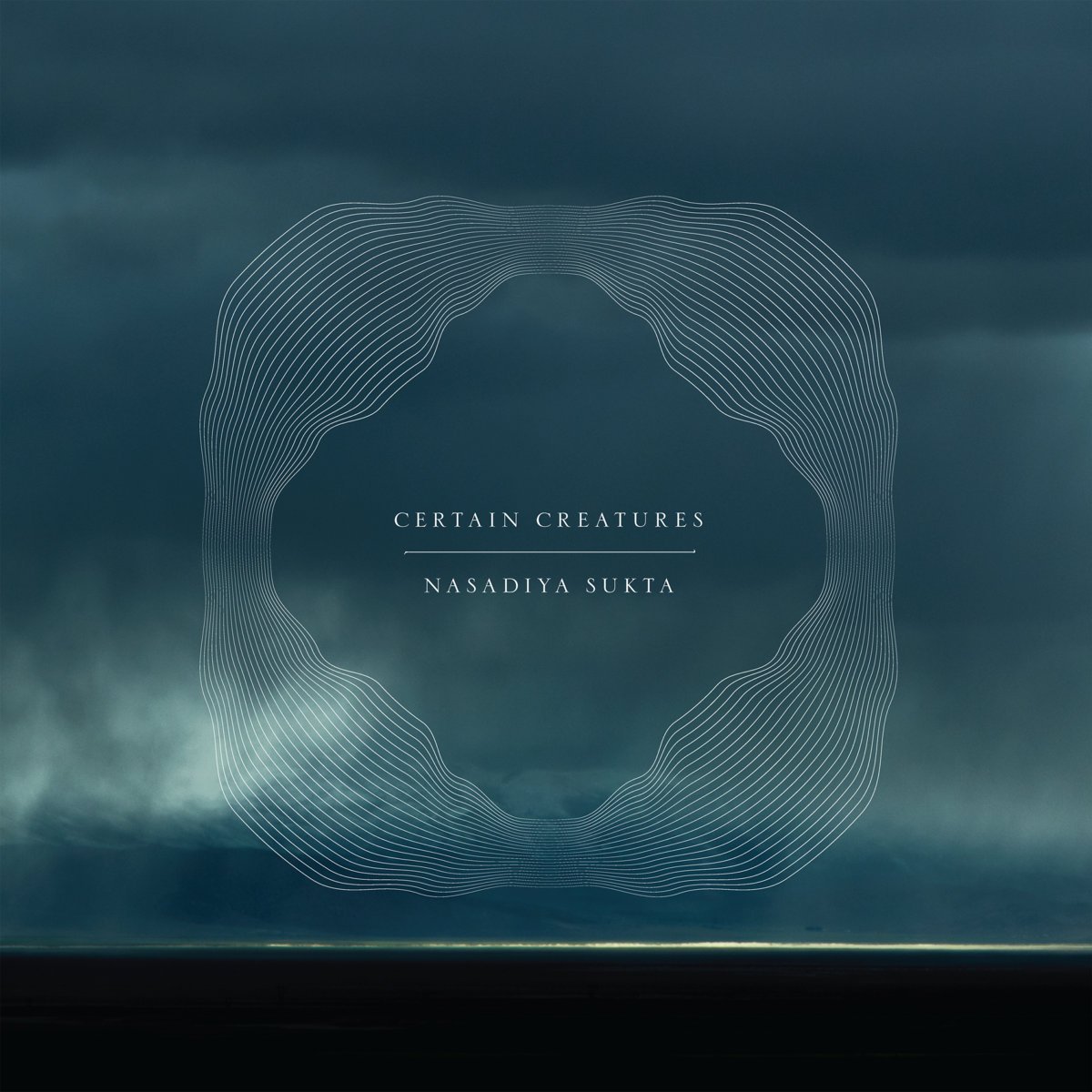
Certain Creatures – Nasadiya Sukta

Spacey electronics that hum with nostalgia for the pre-millenial days of analogue bubblebaths, those halcyon years when artificial intelligence was still a fantasy and a networked future seemed like it would be so much more elegant than it turned out to be.

CUTS – A Gradual Decline

Cascading drums and plaintive synthesizers wrapped around field recordings of collapsing glaciers. I remember the sound of white thunder, that bone-shuddering crack as another piece of ice fell into the sea. Most of all, I remember the sound of our voices cheering and our cameras clicking as if we were applauding our terrible way of life. This is the sound of the world collapsing, and it is sublime in the strict sense: beauty twinned with fear.

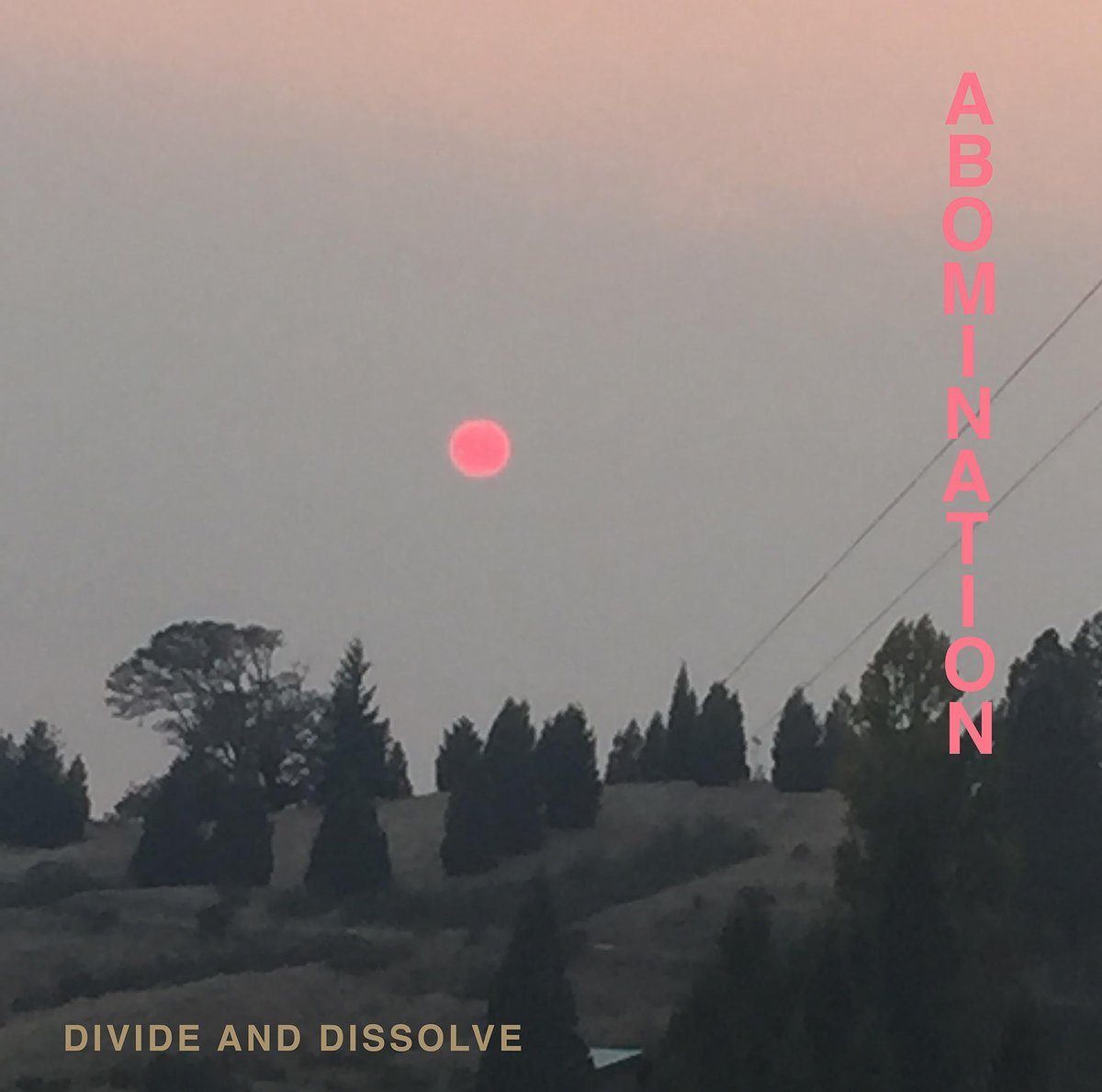
Divide and Dissolve – Abomination

Plunging miles beneath standard-issue doom and drone, this is vantablack snarl and groan with unexpected shifts that flash like bared knives.

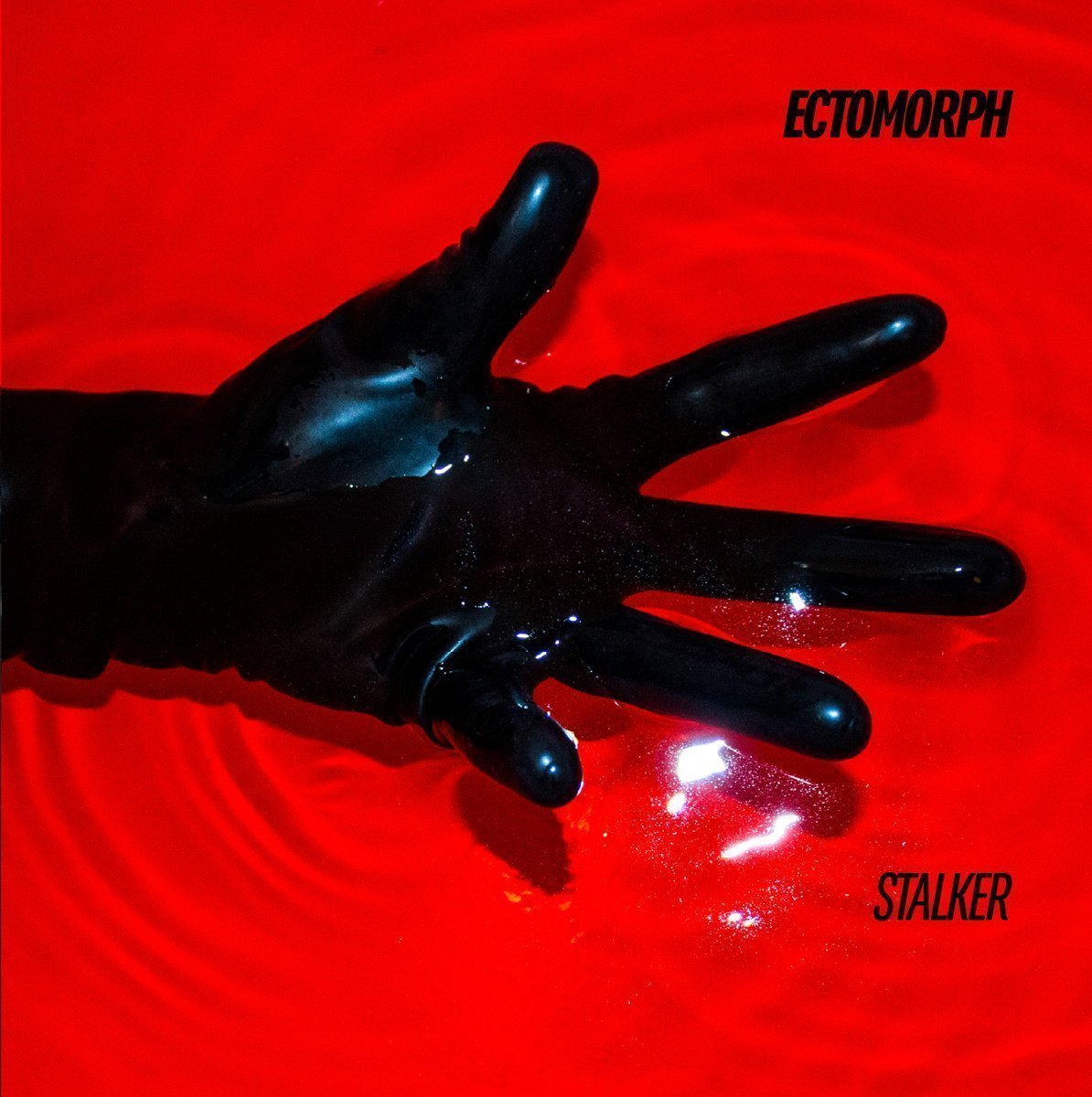
Ectomorph – Stalker

Neuromancing future sleaze. Rarely have synthesizers sounded so tactile, conjuring black leather and blinding chrome. Bass lines crawl out of your speakers towards some shadowy corner of the room, leaving traces of godknowswhat across the floor.

The Eye of Time – Myth II: A Need to Survive

Ambitious and roomy, these songs aim towards a futuristic opera with layer upon layer of blurred vocals, crashing drums, and shivering columns of bass. The title of the first song perfectly captures the mood of these strange days: “There Is So Much Pain in This World That We Have Created Robots to Share It”

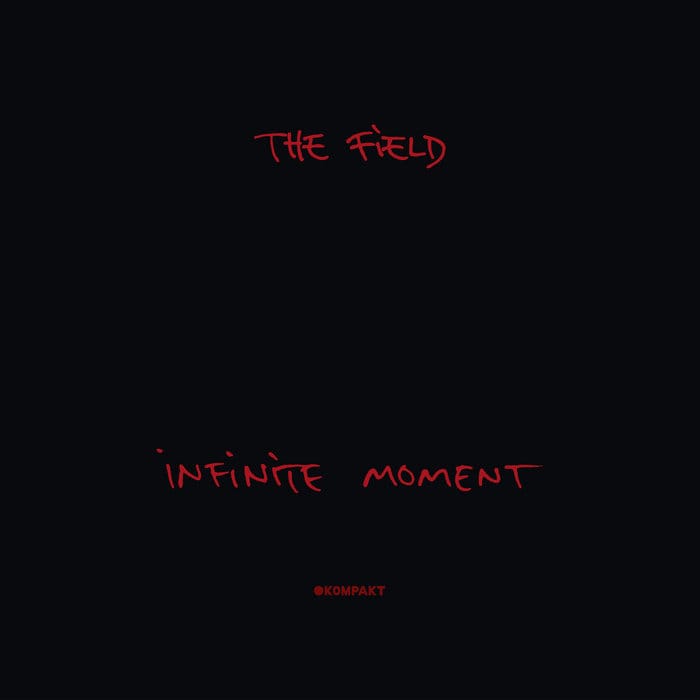
The Field – Infinite Moment

Another episode of The Field’s reassuring heartbeat chug, although it’s nervier this time around, veering into skittering drums, acidic synthwork, and grey morning weather with voices wailing at the edges like the echo of some half-remembered party.

GAS – Rausch

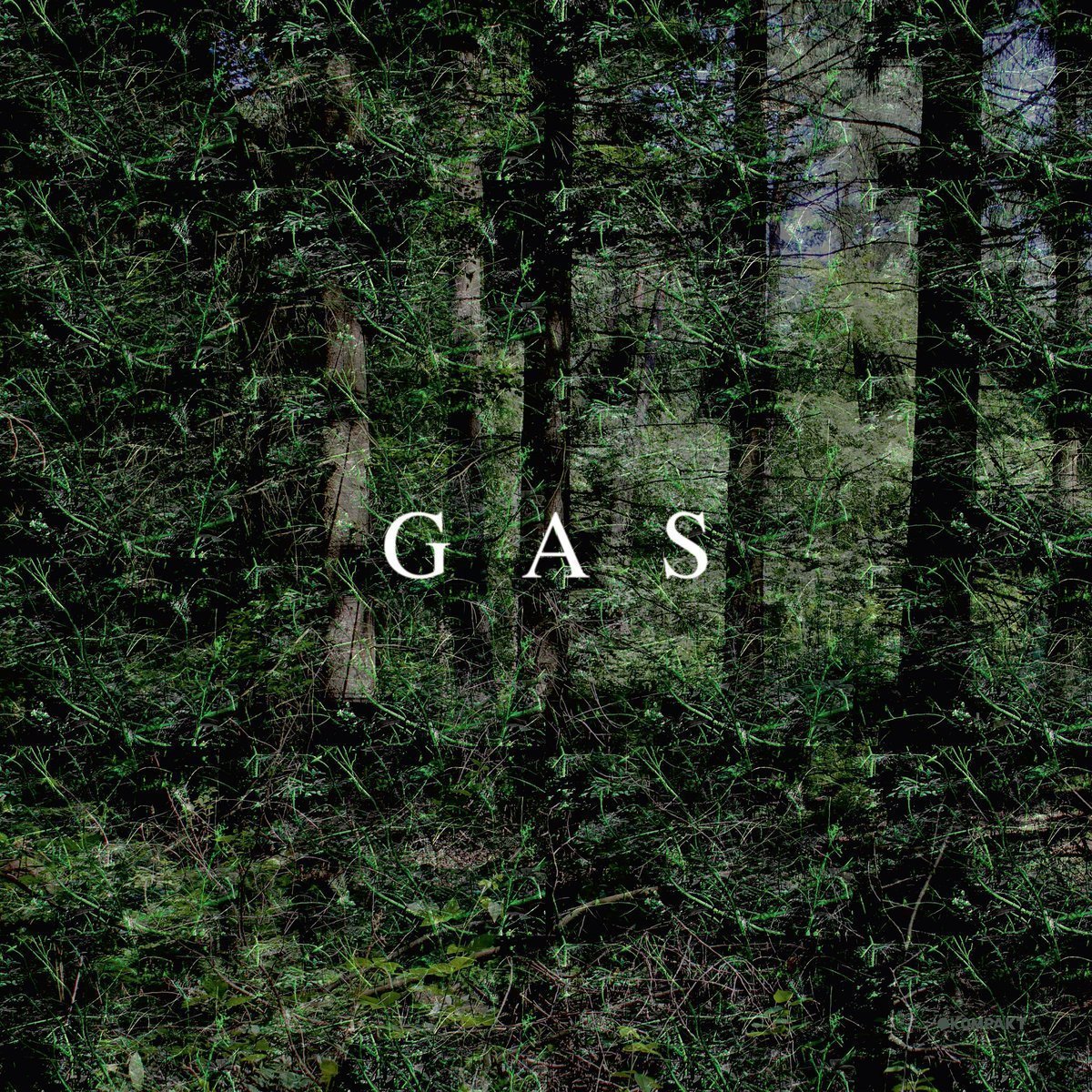
Another gothic monument from Wolfgang Voigt’s series. Dense pines beat against a stained glass window in the middle of the night. This is the closest techno has come to church.

Jerusalem in My Heart – Daqa’iq Tudaiq

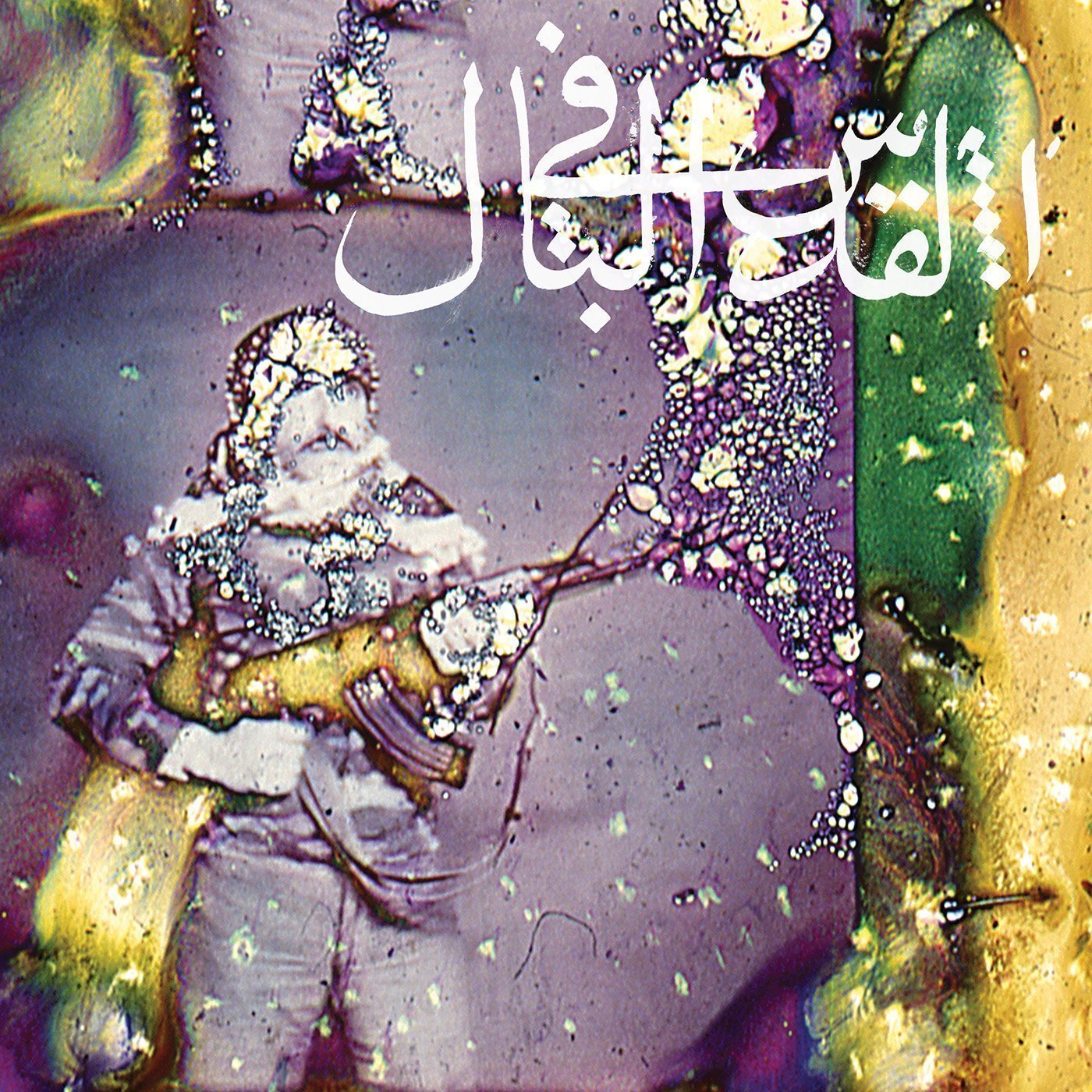
Static spills into the margins of a reverberated ode to an Egyptian classic originally titled “Oh Neighbor of the Valley,” now renamed “The Language Of Speech Has Broken Down.” A fitting coda for 2018. Here is the sound of history collapsing, which is thrilling and a little scary. Don DeLillo’s Zero K comes to mind: “How human are you without your sense of time? More human than ever? Or do you become fetal, an unborn thing?”

Midwife – Prayer Hands

Vapor trails of dream pop and beautiful fuzz. “Angel” was my favorite song of the year, taking the best elements of classic Slowdive and Sugar Plant and streamlining them into something dark and new.

Witxes – Orients

An overwhelming blast of light. An uneasy blend of the melancholy and triumphant, this is perfect music for looking out of the window at 35,000 feet, breath fogging the window pane.

See also:

Glitches in the Sublime

Glitches in the Sublime

The original Blade Runner was a rare gift of pure atmosphere. Since 1982, Ridley Scott’s overheated Los Angeles has been steadily rearranging the furniture when it comes to imagining the future. Today we naturally envision fires in the sky, broken weather, and sprawling fields of scrap. And we can be pretty sure that no matter what the future brings, elaborate advertisements will leer above us while we haggle and jive beneath buildings heavy with memory and rot. And it’s such a beautiful sight. Blade Runner is the cinematic sensation of laying on a bed in a dark motel room while distant traffic speeds down a rainy street: a concoction of nostalgia, dread, and the possibilities in the margins. More than anything, Blade Runner is a story about god, a fever dream about grabbing your creator by the throat and asking, “Why did you make me? And why must I die?”

The new iteration of Blade Runner is one of the few things to reappear three decades later in better-than-expected condition. I won’t discuss the details of the film—not because I worry about spoiling it for those who haven’t seen it, but because things like characters and plot are secondary elements used only to generate a mood. Nearly every scene in Denis Villeneuve’s sequel looks like material scraped from a dream, a Surrealist fusion of our synthetic world with ancient myth. At first, I craved the clutter, heat, and fun of the original film’s vision of a scuzzy and polyglot tomorrow; the landscape of 2049 is monotonous and arid. But its bleak architecture and sterile streets are probably a more accurate rendering of the future as our democracies calcify into corporate aristocracy and our cities become homogenized spaces that cater to the individual rather than the crowd. Beyond this resonance, however, most of 2049 stands outside of time like one of the eerie monuments in the front yard of the Bradbury building.

If the first Blade Runner was about confronting god, 2049 tries to calculate the value of the soul. If artificial intelligence can become so self-aware that it can feel lonely, does being human mean anything beyond legal ramifications? This question was first introduced when Roy Batty shed his tears in the rain; the sight of a robot weeping at the impermanence of existence left us wondering if mono no aware is a uniquely human feature—or a bug. (Mono no aware is such a beautiful term for the pathos of things, the recognition that all things must end; see also lacrimae rerum.) 2049 extends this theme by pondering our hardwired desire to feel unique. A humanoid searches for meaning and connection, and he wonders if he might be special. The possibility frightens him. Then it energizes him. The action circles a vague notion of finding purpose through sacrifice for others. But the bigger question of what distinguishes a human from any mechanism capable of brooding hangs in the haze without answers. Morality is garbled by the ways we define us and them.

When Ryan Gosling and Harrison Ford race towards a speedy-looking vehicle, 2049 seems destined to careen into the usual Hollywood showdown between good and evil. Instead, Villeneuve unexpectedly downshifts into the register of Bergman or Antonioni, leaving us with an extended meditation on cosmic-grade isolation that favors archetypes over characters and events. Rather than worrying about the bloodied hero crumpled on the floor, the camera is more interested in watching a black dog lope across the screen. Instead of savoring the vanquished foe, our attention is directed to the mindless pounding of the surf. There is no good or evil here, only ghosts in the machine and glitches in the sublime. 2049 is not a perfect film, but it is another rare gift.

So Tired

So Tired

The world is overheating, its seas rising while corporations prey upon the sick and weary. Pent-up vibrations of war fill the air, and we have a vicious idiot in the highest office, determined to hold our thoughts hostage. Meanwhile, we fight amongst ourselves, slinging hashtags and hysteria. As our cruel politics and callous technologies lead us to become ever more factionalized and tribalized, we need new unifying myths—and quickly. Give us new points of worship beyond the rickety fictions of free markets, nations, and garbled gospels. New gods. This isn’t a terribly original or feasible idea, but for a moment it didn’t seem so improbable when the first track on the new album by Leyland Kirby drifted into my headphones.

Here comes a heartbeat drum, thumping in the distance like a half-remembered b-side by The Ronettes or The Crystals, a vintage rhythm slowly falling to pieces in the ether while plaintive strings rise, as if mourning the death of reason. Like a heavily sedated love song from the hit parade of a more dignified age, Leyland Kirby’s We, so tired of all the darkness in our lives is a reassuring soundtrack for these undignified times. Dig that title. This album is an unexpected reminder that music can harmonize with—and perhaps even momentarily sooth—the crazy thoughts we’re forced to carry these days, if only for a moment or two. The dark yearning of a track like ‘Consolation’ leaves me thinking of a phrase from Will Durant: “We are choked with news and starved of history.”


Leyland Kirby – Consolation

We, so tired of all the darkness in our lives | More
1 / 1