1
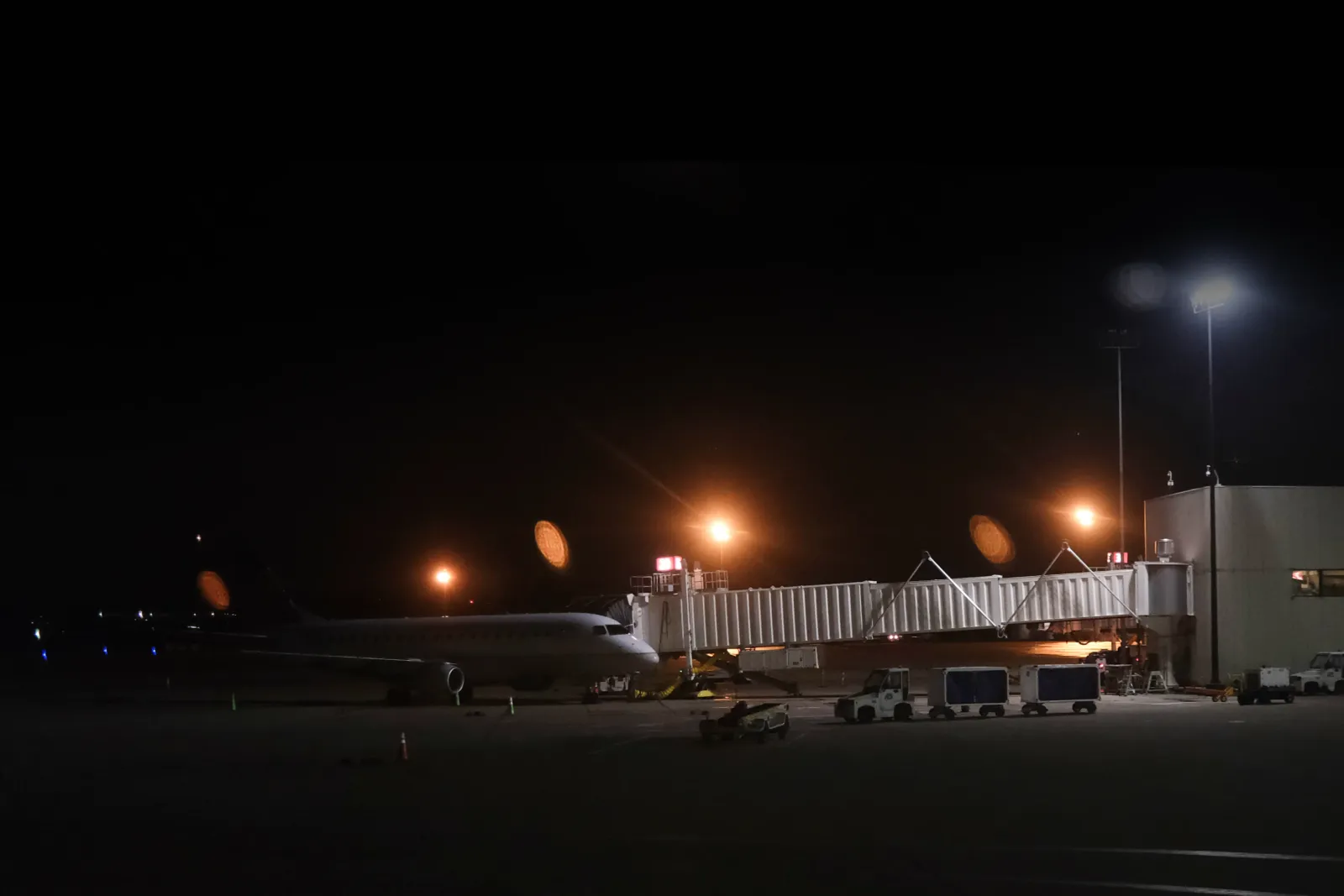
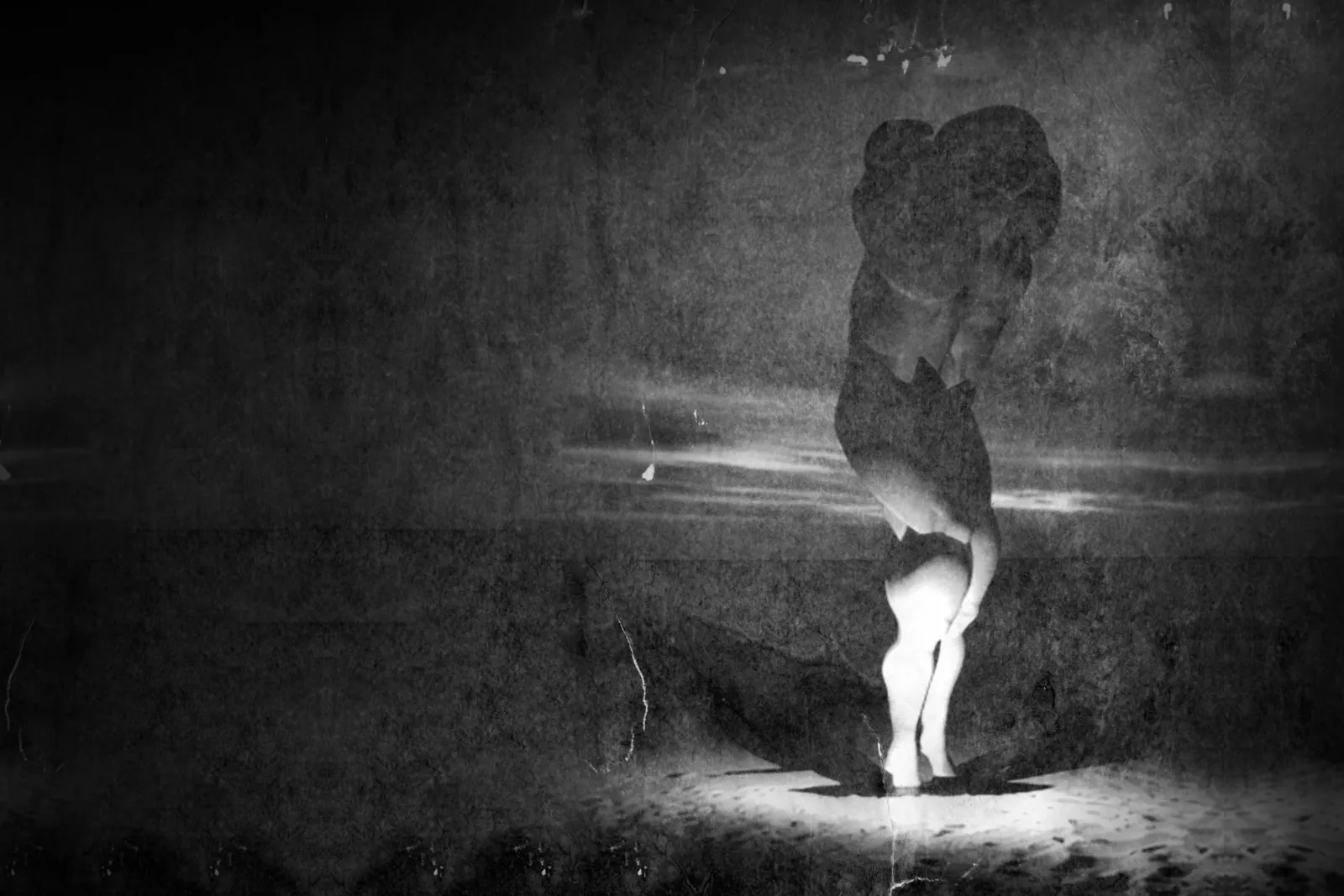
Eight years ago, I hid in a dark forest and saw the future. It was a Saturday night in rural Pennsylvania, where a muddy path led to a statue of the Virgin Mary in a shallow cave, an elaborate recreation of her appearance in a French grotto in 1858.
Dozens of telephone screens floated in the gloom like devotional candles. Hanging back, I watched a strange ritual unfold among the men attending a weekend Catholic retreat. They lined up before the statue, and when the first man knelt to pray, he handed his telephone to the man behind him, who photographed him while he prayed. When he finished, he retrieved his phone and reviewed the footage while he shuffled into the dark. The next man did the same. And so on.
The photo was the reason for this pilgrimage into the woods to kneel before a simulation of the appearance of a ghost. I took a picture of the statue but did not pray because it felt like one or the other.
Our screens have thoroughly rewired how we see ourselves, like a maximum-strength headfuck of Susan Sontag’s 1977 maxim that “everything exists to end in a photograph.” And that night in the woods, I realized technology is more potent than religion.
2
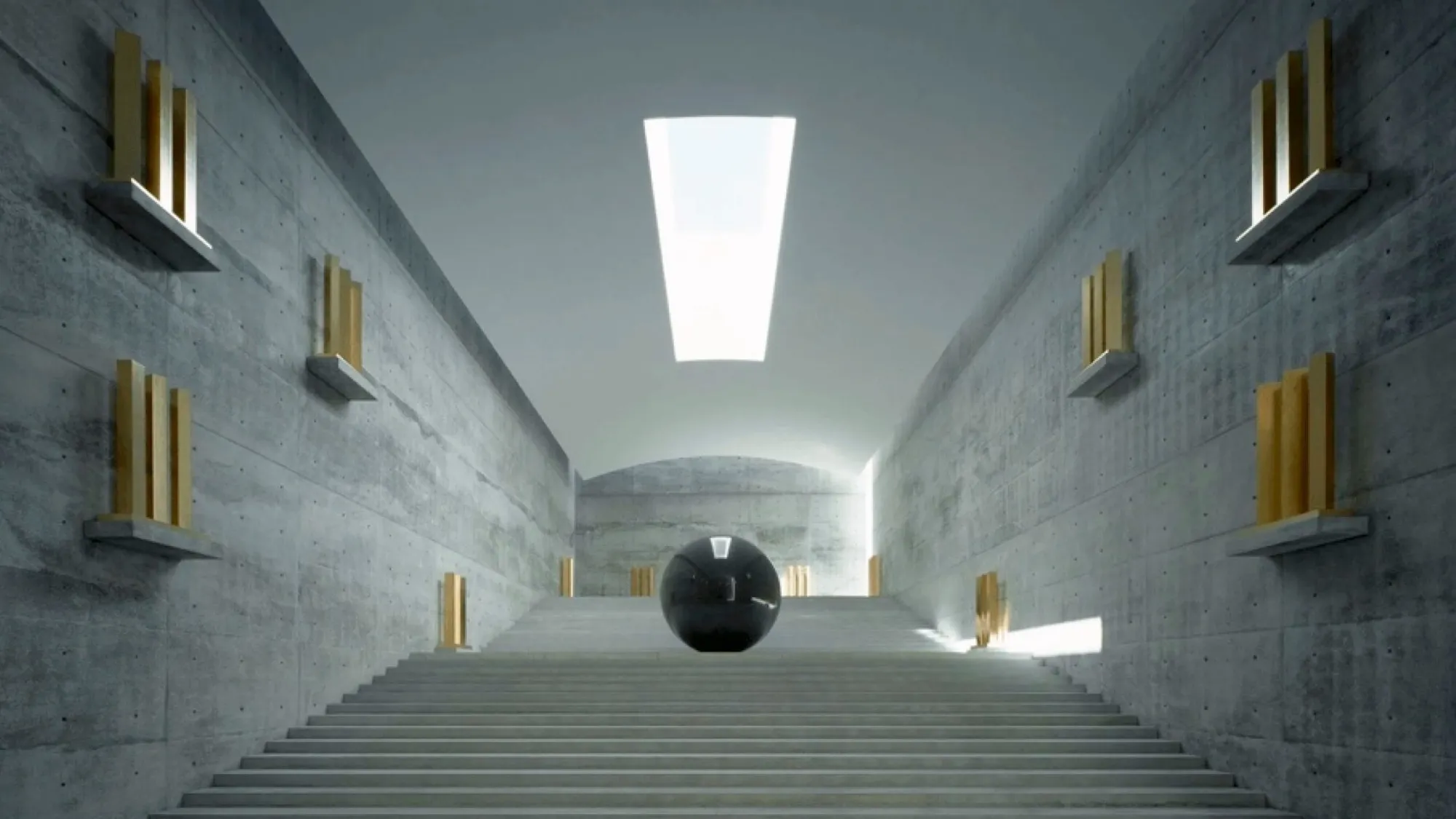
But is this impulse to document every aspect of our world, no matter how sacred, a bad thing? Last year at Naoshima, I was initially vexed by the prohibition against photography, startled by my need to take a picture to prove I'd witnessed a piece of art. But this phantom twitch quickly subsided as we moved through Tadao Ando’s severe concrete halls. Soon I was delighted to discover I was experiencing art with strangers in a way I hadn’t since the early 2000s. We weren’t ducking out of each other’s shots. We lingered longer. Even the roomful of Monets held my interest.
I enjoyed the ritual of removing my shoes before entering a gallery. It was somehow both formal and intimate. And quieter.
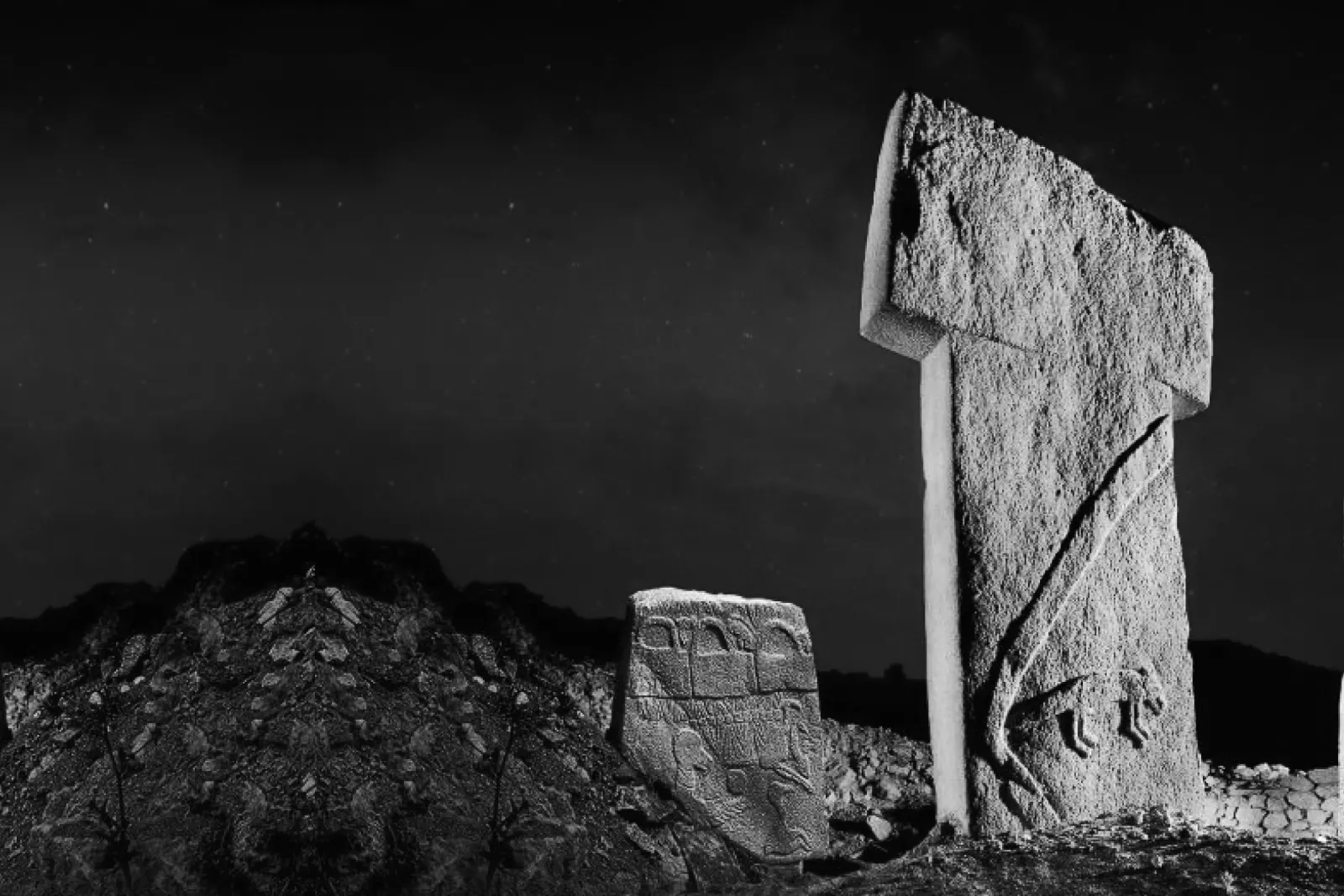
But how to deal with Walter de Maria's marble orb on a staircase surrounded by dozens of gold-pronged statues? To start, we moved around it slowly. We hunted for patterns and imagined the rituals that might occur in such a place. We stayed until its strangeness became familiar, and eventually we were dealing with it on its terms, where language and logic cannot reach.
3
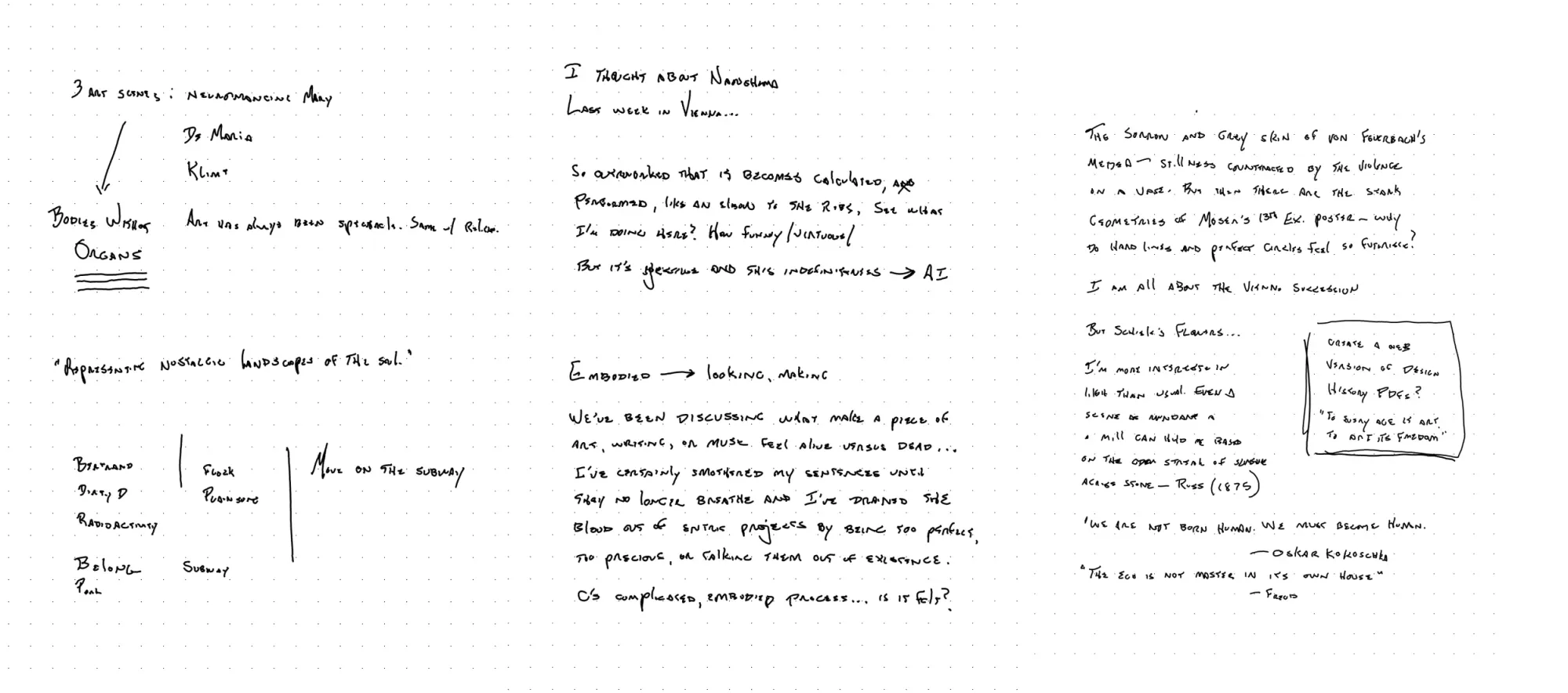
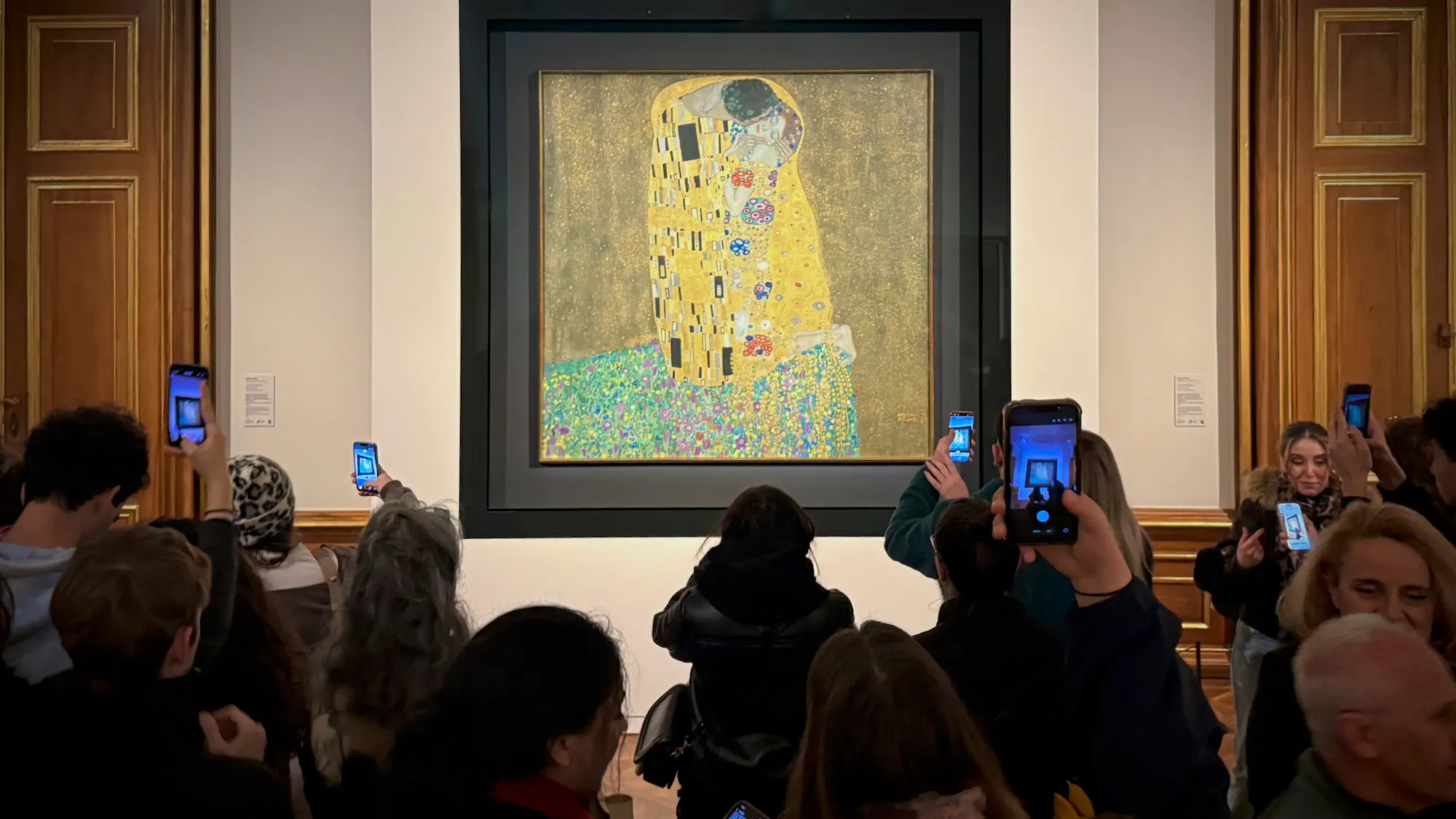
Last week in Vienna, I fell for Gustav Klimt and Egon Schiele, both of whom I’d misunderstood. Somehow I was not aware of Klimt’s The Kiss, which C found hard to believe because she thinks it wallpapered many dorm rooms alongside Monet’s water lilies. I was about to suggest she was wrong but then we entered an overheated gallery with a crowd crushed around The Kiss like a many-armed beast waving screens and snapping pictures. This is the state of visiting icons in the twenty-first century.
For my money, Klimt’s real masterpiece is his rendering of Judith with an expression so seductive and relaxed it's defiant. The severed head she cradles becomes an afterthought. The stray dot of light in her eye and the glint of her teeth give the picture an almost sinister presence. Klimt’s work pulls off a rare feat: flat and graphic, entirely modern, yet drenched in mythic atmosphere and very much alive.
4
C and I have been discussing what makes a piece of art, music, or writing feel alive rather than dead. It’s tricky to pin this quality down, but I know it when I see it. I’ve certainly smothered my sentences until they can no longer breathe, and I’ve drained the blood out of entire projects by being too perfect and precious, or worse yet, talking them out of existence.
If I can't define "alive" art, what about dead art? I think it's something that gets so overcooked it becomes calculated and performed, almost needy, like an elbow in the ribs. See what I'm doing here? How funny/virtuous/tragic? George Saunders's fiction and Cy Twombly's canvases come to mind, but many people love their work, so the definition of lightness and vitality must be personal—and this fogginess is a blessing that should be cultivated as a counterpoint to the inert prose and imagery of algorithms.
When it comes to the inexplicable, I think of how C tends to favor the most analog, complicated, and embodied process to create her paintings. Carving text with a tiny knife. Shellacking individual letters to canvas. Experimenting with horribly complicated ink transfer techniques that sometimes inexplicably turn green. Are these fingerprints felt in her work? I think so.
For those who've been following along, C (aka Candy Chang) is a popular character on Midnight Radio. We've been together for thirty years and she's the best and luckiest thing in my life. She nudges me along and challenges me to make things better, even if sometimes my ego revolts: "Alright critic, what songs would you choose?" Thus we have tonight's Very Special Guest Episode.
5
Do you believe in god or any spiritual dimension to the universe?
"Yes. Watching Carl Sagan’s Cosmos was my first spiritual experience. It made me feel existentially connected to all of time, space, and life. That feeling pulled me out of despair and it was my first understanding of god: a widescreen kinship."
"Now I feel spiritual in charged moments of communion—with a person, an artwork, a text, or a tree. I felt it making this episode with James. For decades we’ve been two little animals lost in time making stuff together, from janky stop-motion animations and fuzzy ambient music to public art and screenplays. We also rattle around on our own, and it’s been fun watching James make Midnight Radio. His process is loose but reverent. He tosses songs together, plays rough versions as we drive to the park, and then defers to the emerging forces. He’ll ask what I think and before we’re done bantering, he’ll say, 'I know what it wants to become.' It wafts through our home for days like something slowly baking until it becomes another Proustian madeleine."
"One of my favorite episodes is Slow Gold (#35) where he stretched a Simple Minds track into buoyant goth. So I slipped him A Flock of Seagulls. He delivered by swelling the intro into an epic stadium show and following it with another slow-mo’d ‘80s song that always makes me want to dance like a cartoon maniac."
"I initially thought I'd put together a tracklist of tragic-astronaut-in-space music, which is my specialty, but the energies went somewhere more fun. In the spirit of James, I went where it wanted to go, and each version he played inspired more songs until we landed in a place that is very me but way cooler now in his land of reverb. I felt a charged back-and-forth towards something greater, and it makes me wonder if spirituality is always about resonance: being in relation and vibrating together."
"In a time when it’s easy to feel disillusioned, I’m drawn to the punk philosophies of Zhuangzi and Deleuze. Zhuangzi describes riding “the back-and-forth of the six atmospheric breaths,” which is the skill of being at home in the continuous flow of change. Deleuze and Guattari’s “body without organs” is about obliterating conventions for dynamic fields of play. Both pursue spiritual freedom not through detachment but through deep engagement and transformation. Be game for whatever forces happen to be around you and remain curious about what they can become."
6
Tonight C demonstrates her transformative taste, anchored by a pair of bangers from ’82. The Wikipedia page for "I Ran (So Far Away)" is worth a read: "The F-G-Am chord progression in the chorus is distinctive and unusual in a pop song but dates back to Romantic-era music." So it's classy.
And a very big thank you to Mike Roller for introducing me to the glory of Paulstretch, a piece of early-2000s software with a frillion little buttons for slowing things down. I’m delighted to use it for the first time with A Flock of Seagulls.
Speaking of software, my grouchy music player is now officially in the Apple app store and version 5.0 should hit the streets at any moment. It has some nifty things like a Labels section so you can gather your Chain Reaction flowers into a beautiful bouquet. Thank you to everyone who's been sending along crash reports, suggestions, and encouragement. It takes a village.
Also worth noting: this 40th episode of Midnight Radio is exactly 40:40. As always, synchronicities abound. Thank you for listening.
- Bertrand Belin - Choses Nouvelles
Persona | Cinq 7, 2019 - Füxa - Dirty D
Dirty D | Rocket Girl, 2013 | Bandcamp - Damien Jurado & Richard Swift - Radioactivity
Other People’s Songs Vol. 1 | Secretly Canadian, 2016 | Bandcamp - Cliff Martinez - Abscess
The Knick Soundtrack | Milan, 2014 - The Cure - Plainsong (Studio Rough Guide Vocal)
Disintegration | Fiction Records, 1989 | Boomkat - Cliff Martinez - Son of Placenta
The Knick Soundtrack | Milan, 2014 - A Flock of Seagulls - I Ran (620% slower + filtered / 28% slower)
A Flock of Seagulls | Jive, 1982 - Peter Schilling - Major Tom (31% slower)
Error in the System | Elektra, 1982 - Belong - Perfect Life
Common Era | Kranky, 2011 | Bandcamp - Brian Reitzell & RJ Manning Jr. - On the Subway
Lost in Translation Soundtrack | Emperor Norton, 2003 - Aural Indifference - The Park
The Sound of Indifference | Minimal Wave, 1981 | Bandcamp - Air - Au Fond du Rêve Doré (150% slower + filtered)
Love 2 | Astralwerks, 2009
Download | Podcast